Is Jiu-Jitsu Competition Right for Your Child?
Parents in Pembroke Pines often wonder why kids should compete in jiu-jitsu when regular classes already teach so much. The question usually comes up once children feel comfortable on the mats and start hearing about tournaments.
Competition is never required, but for the right child it can be a powerful learning experience. This guide covers the benefits, the common concerns, and how to prepare so the first event feels positive.
DISCOVER START JIU-JITSU
CLICK HEREWhat Competition Teaches Children
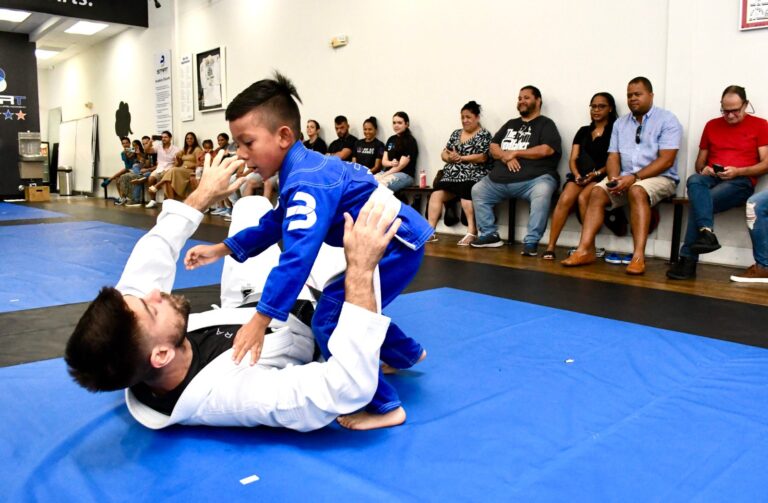
Competition adds a layer of experience that regular classes cannot fully copy. It places a child in a new setting with a goal, a clock, and an opponent they have not trained with.
Confidence Built Through Effort
Stepping onto the mat at a tournament takes courage, and finishing the day builds pride that comes from effort rather than from praise alone. Children often remember that feeling long after the results are forgotten.
That confidence grows steadily through practice, as explored in our look at building confidence through kids jiu-jitsu. Competition simply gives children one more place to see what they can do.
Resilience After Wins and Losses
Every competitor loses at some point, and that is where the lesson lives. Kids learn to shake hands, breathe, and think about what to improve instead of dwelling on disappointment.
Winning teaches humility and respect for the opponent. Together, both outcomes show children that progress is a long road and that setbacks are a normal part of getting better.
Goal Setting and Preparation
A tournament date gives training a purpose. Children learn to plan, practice specific skills, and show up consistently, which turns a vague wish to improve into a clear and reachable target.
These habits mirror the discipline that carries into school, where preparation and routine also matter. Kids discover that steady effort over time leads to better readiness.
Focus Under Pressure
Competing asks a child to listen, stay calm, and make decisions while nervous. Practicing that skill in a controlled setting can help them manage pressure in other parts of life.
Coaches can guide children through breathing and simple routines before a match. Over time, these tools help kids feel more settled when things get intense.
Addressing Parent Concerns
Competition is not for every child at every age, and parents are right to ask careful questions. These points address the most common concerns.
Why Kids Should Compete in Jiu-Jitsu at Their Own Pace
The goal is not to rush a child into a bracket. Some children are curious after a few months, while others need a year or more before they feel ready to try.
Talk openly with your child and read about BJJ competition training to understand what preparation looks like. Readiness should come from the child, never from outside expectations.
Safety and Supervision
Youth divisions are usually organized by age, size, and experience, and referees stop the action when something looks unsafe. Ask organizers about their rules before you register your child.
Safe habits begin in class, where kids learn to tap early and respect their partners. Learn how to train with more safety so your child enters events with strong fundamentals.
Nerves, Fear, and Emotions
Butterflies are normal, and tears can happen too. Treat these feelings as part of learning rather than as signs that something is wrong or that your child should quit.
Listen without pushing, praise effort, and let your child decide how they feel afterward. A supportive reaction teaches more than any medal ever could.
Preparing for a First Tournament
A little preparation turns a first tournament into a positive experience. Focus on understanding the event and keeping the day simple for your child.
Know the Format and Rules
Each event has its own rules, divisions, and schedules. Read the details ahead of time so you and your child know what to expect from check-in to the final match.
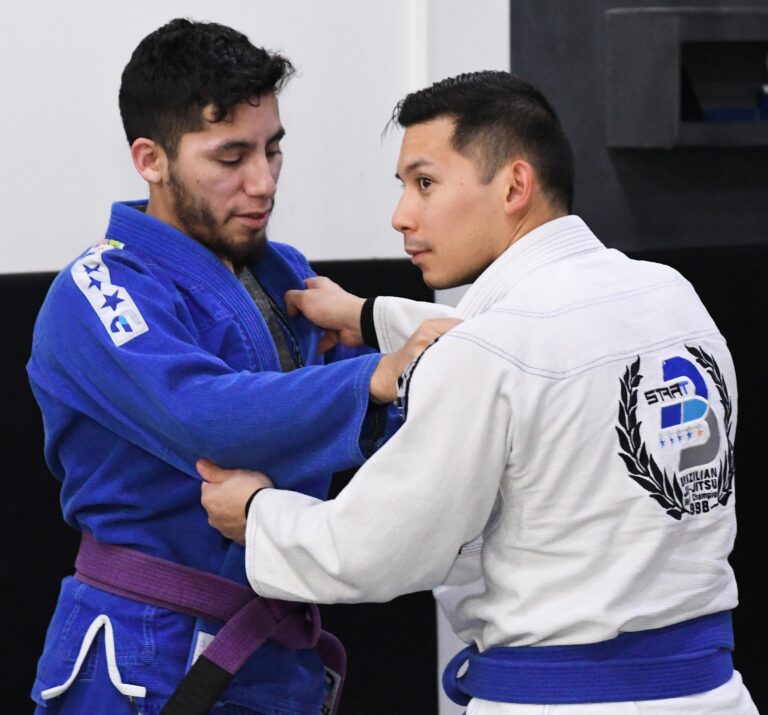
Ask your coach to explain scoring and allowed techniques in simple language. When kids understand the rules, they feel more in control and far less anxious.
Practice Routines Before Event Day
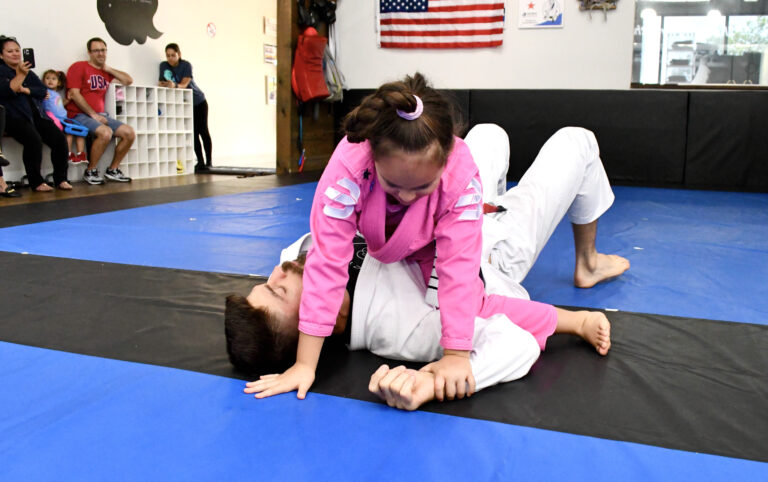
Include light live rounds in the weeks before the event so your child gets used to a partner’s pressure. Keep drilling familiar techniques instead of learning brand-new ones at the last minute.
Plan sleep, meals, and hydration as well. Simple routines help children arrive rested, comfortable, and ready to focus when their name is called.
The Parent’s Role on Tournament Day
Your job is to support, not to coach from the sidelines. Cheer for effort, bring snacks and water, and let the coaching team handle technical guidance during the day.
Afterward, ask what your child enjoyed and what they learned before discussing results. That conversation keeps competition tied to growth instead of to trophies.
Talking With Coaches Before You Decide
Why kids should compete in jiu-jitsu depends on each child’s temperament, experience, and goals. A coach who knows your child can offer an honest view of when to try and whether to wait.
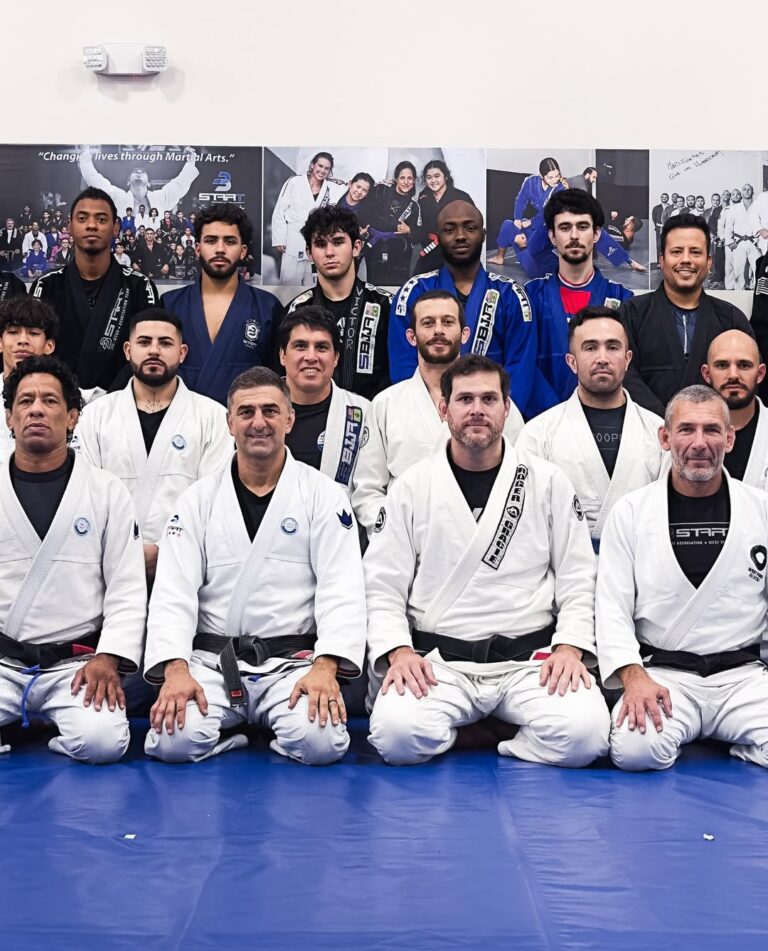
Families in Pembroke Pines can speak with the coaches at Start Jiu-Jitsu about available options and what readiness looks like. Honest guidance helps parents make a confident decision.
Keeping the Experience Positive
Treat competition as one tool for growth, not as the purpose of training. Celebrate effort, accept results calmly, and remember that regular classes remain the foundation of everything your child learns.
Explore the broader benefits of BJJ for kids and teens to keep the bigger picture in view. Medals matter far less than the skills and character your child builds.
DISCOVER START JIU-JITSU
CLICK HEREHelping Your Child Grow Through Competition
Understanding why kids should compete in jiu-jitsu helps parents choose wisely. With patience, supportive coaching, and realistic expectations, a tournament can become a meaningful step in a child’s training journey.
If you live in or near Pembroke Pines, visit Start Jiu-Jitsu, meet the coaches, and ask how your child can begin. The right start makes every later step easier.