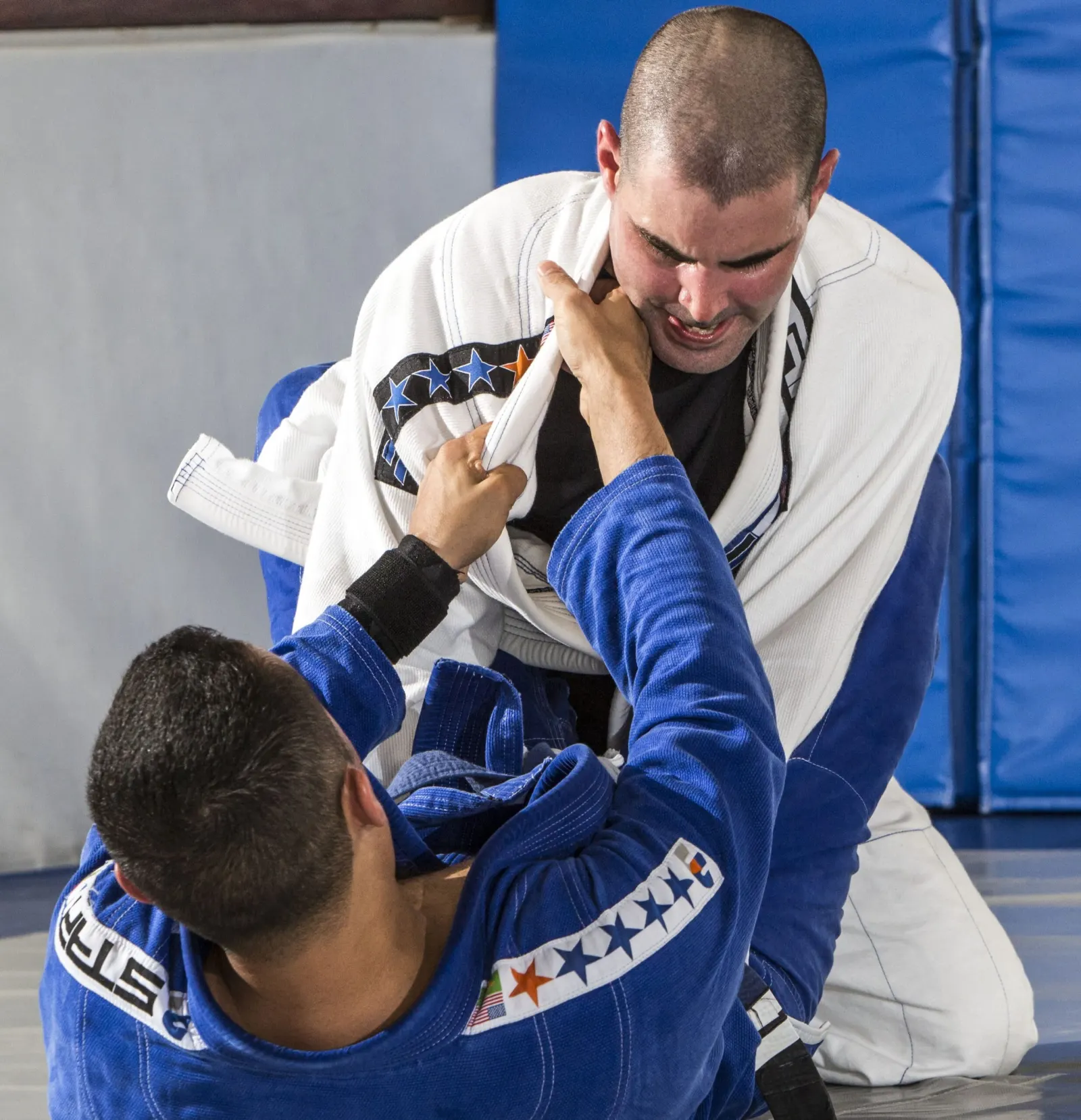
Why Guard Retention Matters on the Mats
Every grappler eventually faces the same problem: a partner slips past the legs and settles into side control. Learning how to improve guard retention in BJJ is one of the most useful skills for students training in Pembroke Pines, FL.
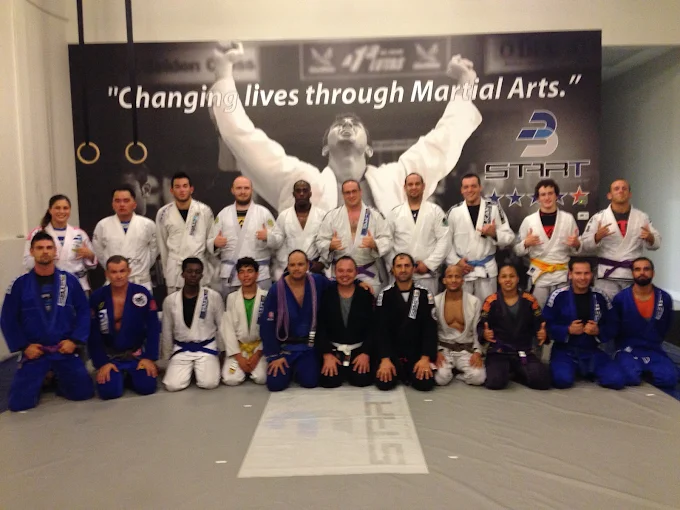
Guard retention is the set of frames, hip movements, and leg recoveries that keep an opponent in front of you. At Start Jiu-jitsu, our adult Brazilian Jiu-Jitsu classes are a place to practice these details with real training partners.
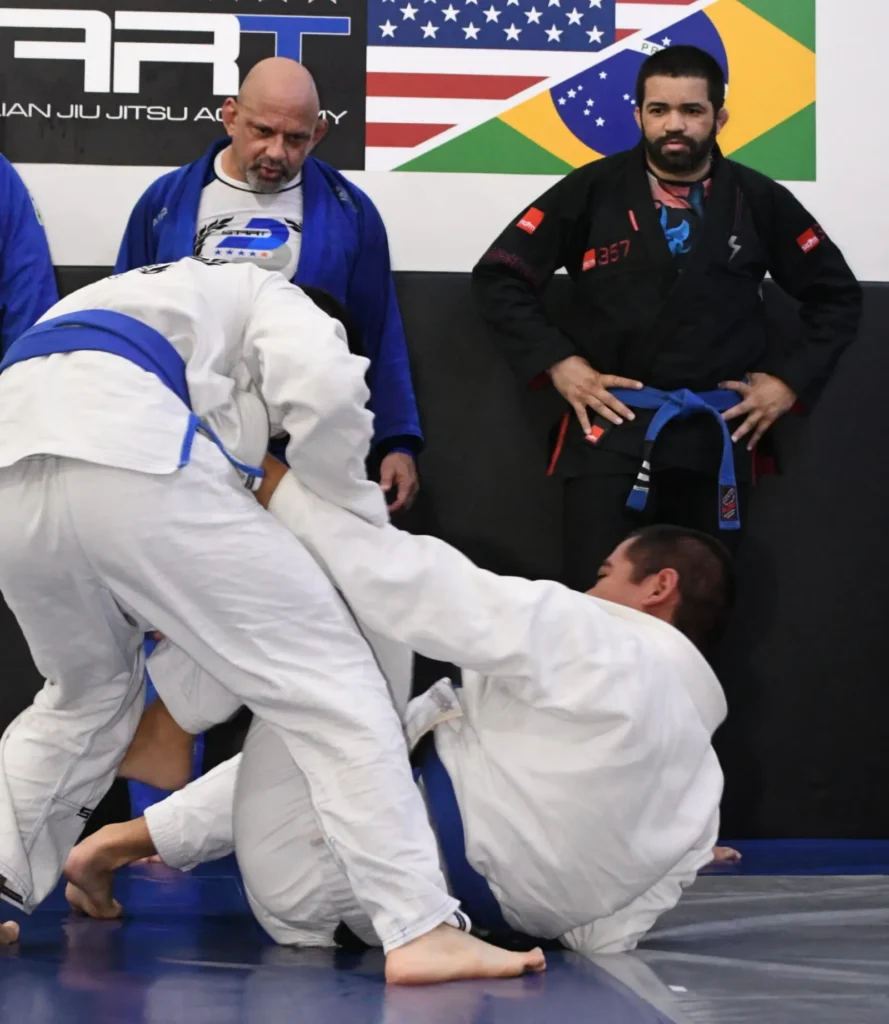
DISCOVER START JIU-JITSU
CLICK HEREThe Core Mechanics of Guard Retention
Strong retention rarely depends on flexibility or athleticism alone. Anyone studying how to improve guard retention in BJJ benefits from understanding a few connected mechanics that work together under pressure.
Frames Create Distance Before It Disappears
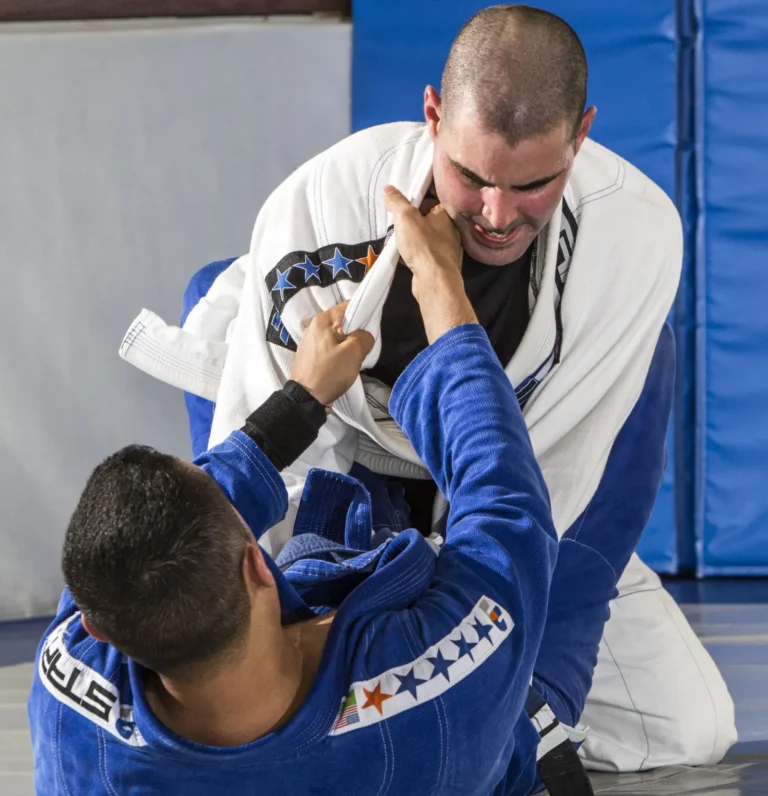
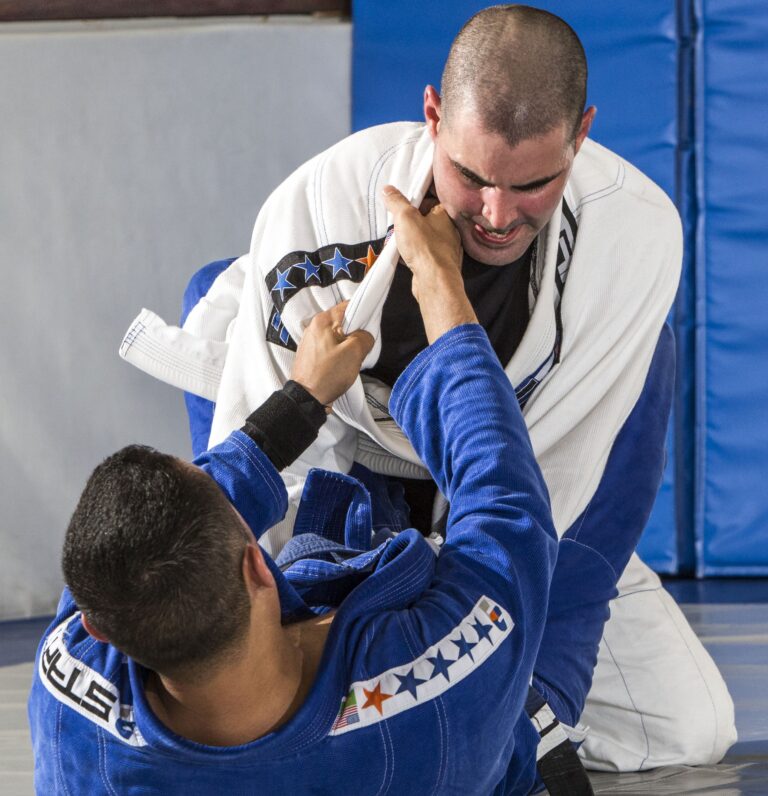
A frame is a rigid structure built with your forearms, shins, or knees that blocks the passer's path. Unlike pushing, framing relies on bone alignment, so you spend far less energy holding your partner at a safe distance.
Common frames include the forearm across the collarbone and the knee shield against the hip. Many of these shapes first appear in closed guard fundamentals, where posture control shows how structure beats raw strength.
Hip Movement Keeps Your Legs in Front
Your frames only hold space; your hips are what reclaim it. The hip escape, often called shrimping, moves your body away from pressure so your legs can return between you and your partner.
Think of your hips as a steering wheel. When the passer moves to one side, angle your hips toward them instead of lying flat, because a flat back makes almost every pass easier to complete.
Grip Fighting Starts the Defense Early
Most guard passes begin with a grip on your pants, knees, or collar. If you strip or redirect those grips early, the passer never builds the control needed to drive through your legs.
This early-response mindset connects closely to defensive jiu-jitsu principles, where preventing a position is always cheaper than escaping it. Break grips before your partner can settle their weight.
Leg Pummeling and Re-Guarding
Leg pummeling means circling your feet and knees inside the passer's arms to regain connection. When a partner pins one leg, swim the free leg back to their hip or bicep and rebuild your guard.
Re-guarding is rarely one clean motion. It is usually a chain of small corrections, such as a frame, a hip turn, and a leg swim, repeated until your legs are back in front.
Drills That Help You Improve Guard Retention in BJJ
Understanding the mechanics is only the first step. Retention improves when those movements become automatic, and that happens through focused drilling before you test the skills during live rounds.
Solo Movement Drills
Solo drills such as shrimping, technical stand-ups, and inverted rolls build coordination without a partner. Practice them during warm-ups or at home so hip movement starts to feel natural on the mats.
These movements also train the cardio demands of defense. Pair them with a plan for building jiu-jitsu endurance so your retention does not fade halfway through a demanding round.
Partner Pressure Drills
In a pressure drill, your partner walks around your guard with light, steady resistance while you frame and turn to face them. Start slowly, then let your partner raise the pace as your reactions improve.
Rotate roles so both partners learn. Playing the passer shows you which openings feel easiest to exploit, and that insight makes your own guard harder to break.
Positional Sparring From the Guard
Positional sparring isolates one situation: one partner tries to pass while the other only retains or sweeps. Short rounds of one or two minutes keep the intensity on the exact skill you want to develop.
This format is especially valuable when dealing with heavier training partners, since size and pressure expose weak frames quickly. Reset after every pass and start again from the same position.
Common Mistakes That Break Your Guard
Even with good drills, a few habits can undo the work you put into learning how to improve guard retention in BJJ. Recognizing them early keeps you from reinforcing patterns that make passing easier.
Lying Flat on Your Back
A flat back limits how far your hips can move and lets the passer pin your shoulders. Once both shoulders touch the mat, turning toward your partner becomes much harder.
Stay on one side with your head off the mat whenever possible. This angled position keeps your frames active and lets your hips escape in either direction.
Reaching With Extended Arms
Straight arms feel strong, but they are easy to grab, drag, or collapse. An extended arm also opens space under your armpit for the passer to slide toward your side or back.
Keep your elbows close to your ribs and build frames with bent arms. Compact structure protects your neck, defends underhooks, and makes every defensive shape more efficient.
Waiting Too Long to React
Many passes succeed because the bottom player reacts after the passer has already settled their weight. By then, recovering usually takes far more effort than stopping the pass at its start.
Watch your partner's hips and grips, not only their hands. Late reactions are among the most common beginner jiu-jitsu mistakes, and they improve with focused, patient repetition.
Practical Guidance for Training Guard Retention
Choose one retention skill per week, such as the knee shield or the hip escape, and give it full attention. A narrow focus makes progress easier to notice than trying to fix every detail at once.
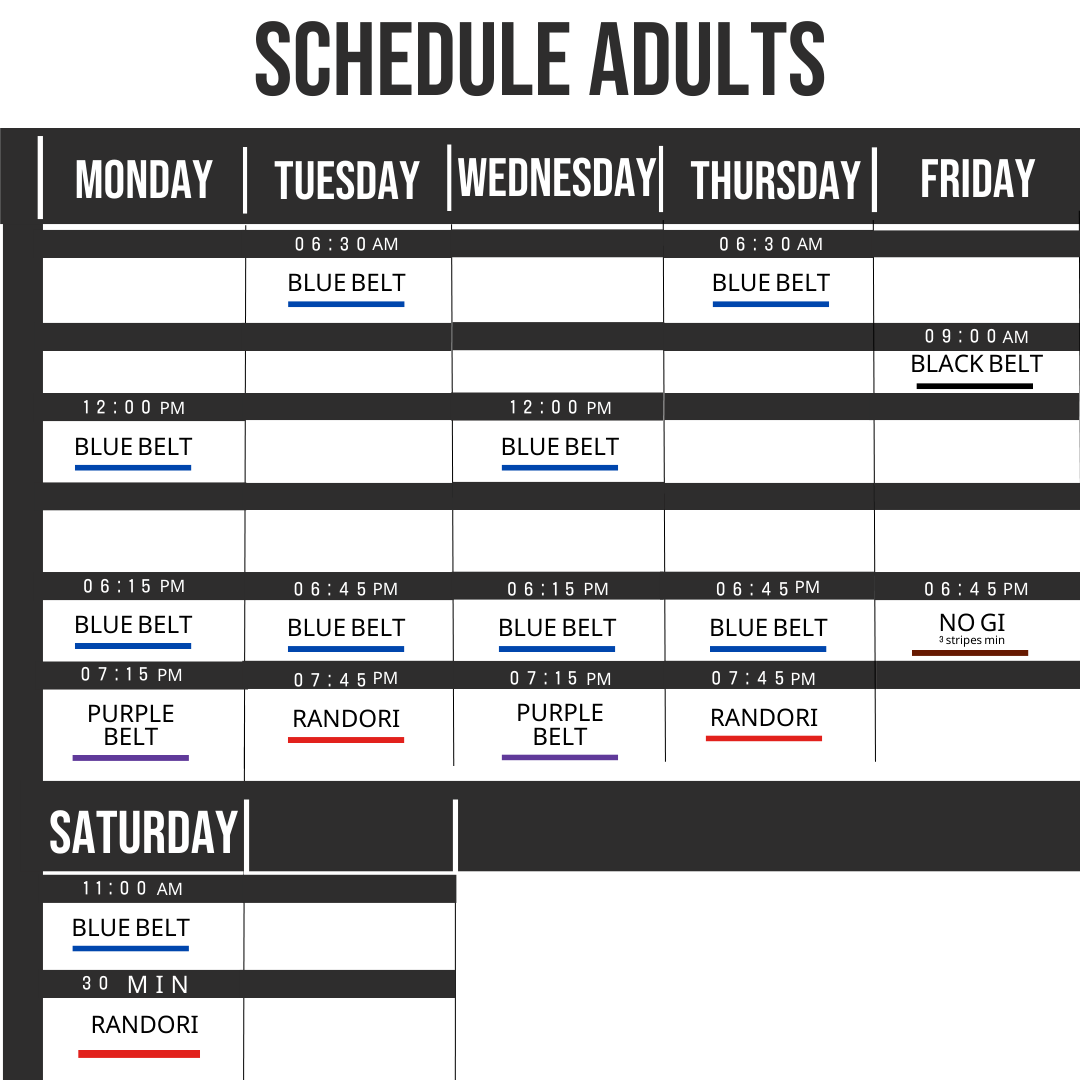
Ask your instructor for feedback and note which passes give you the most trouble. Reviewing the jiu-jitsu class schedule at Start Jiu-jitsu helps you plan consistent sessions in Pembroke Pines around your routine.
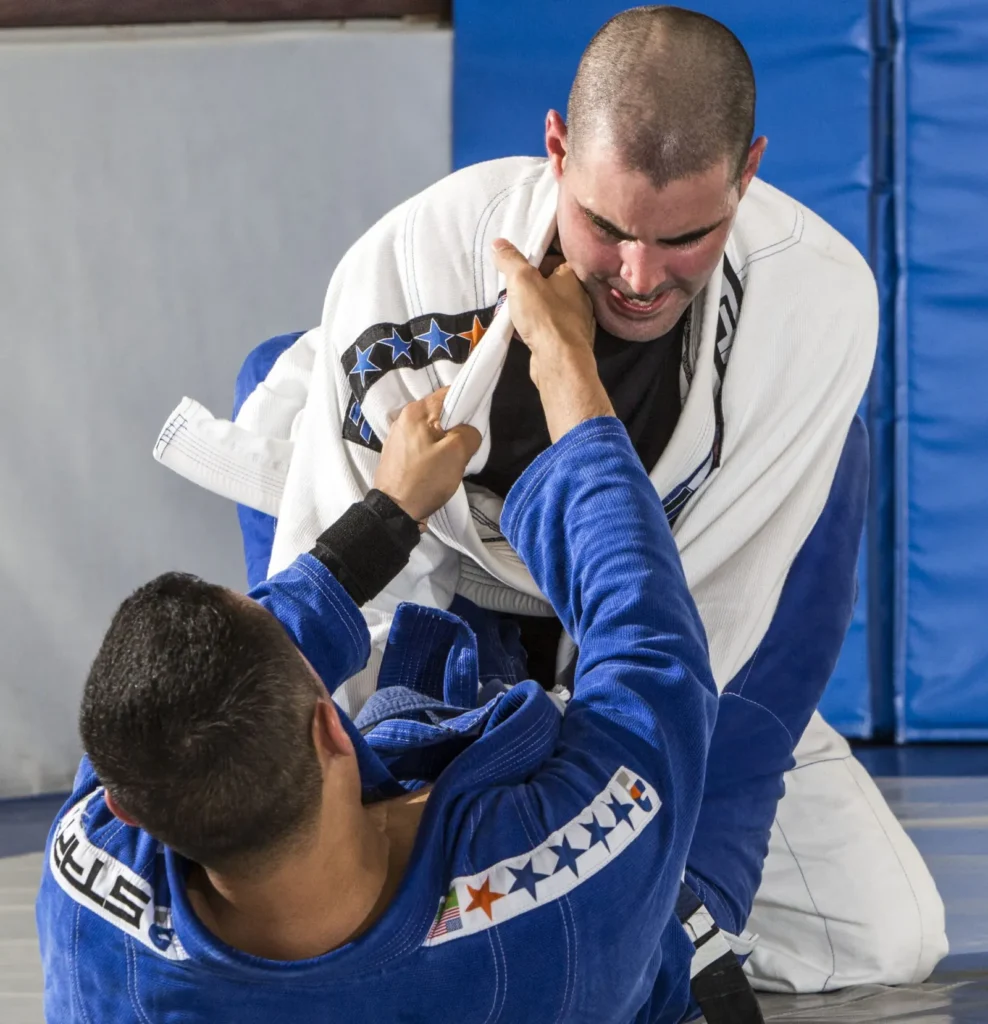
Putting Guard Retention Into Practice
Guard retention is built from frames, hip movement, early grip fighting, and constant re-guarding. Each piece supports the others, so improving one usually makes the rest of your defense feel more natural.
Combine solo drills, partner pressure work, and positional sparring in a steady rotation. Over time, those repetitions turn conscious decisions into reflexes that hold up during live rounds.
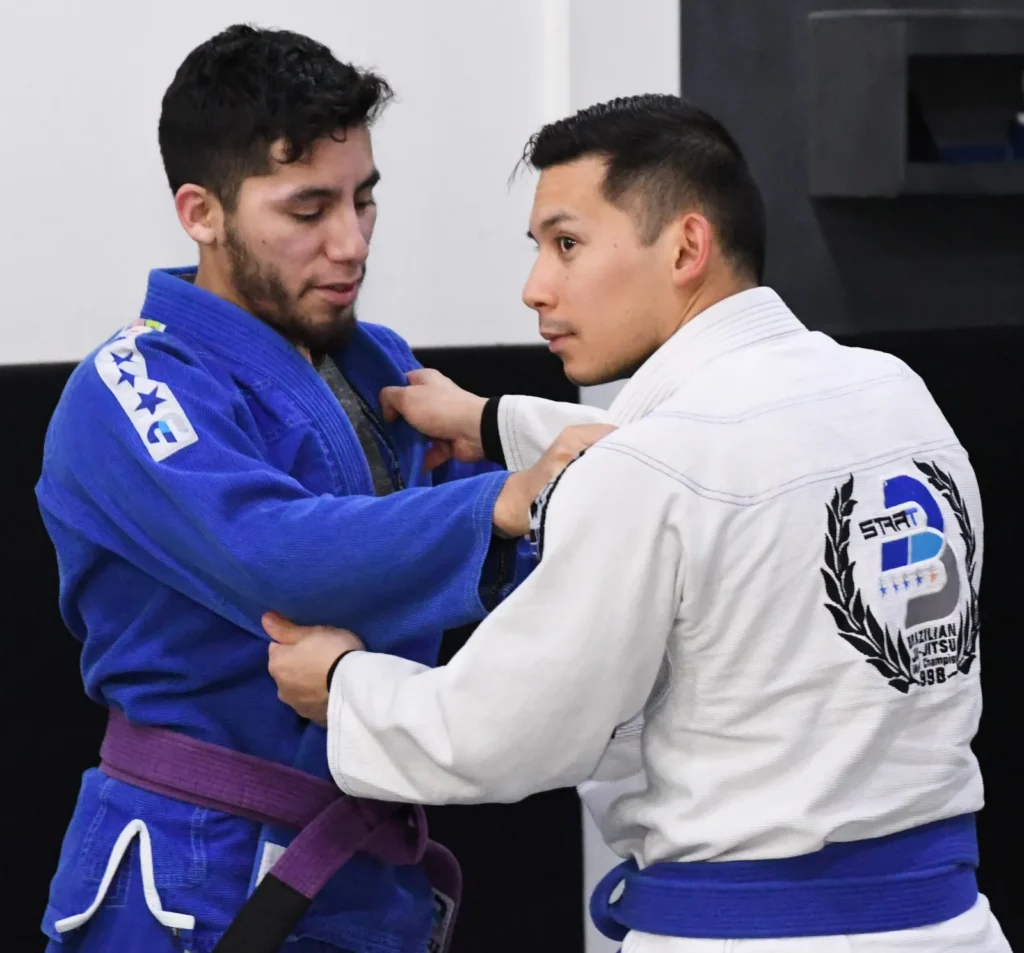
DISCOVER START JIU-JITSU
CLICK HEREFinal Thoughts on Building a Resilient Guard
Learning how to improve guard retention in BJJ is a gradual process that rewards patience and consistent practice. Every round where your guard gets passed reveals a detail worth refining in your next session.
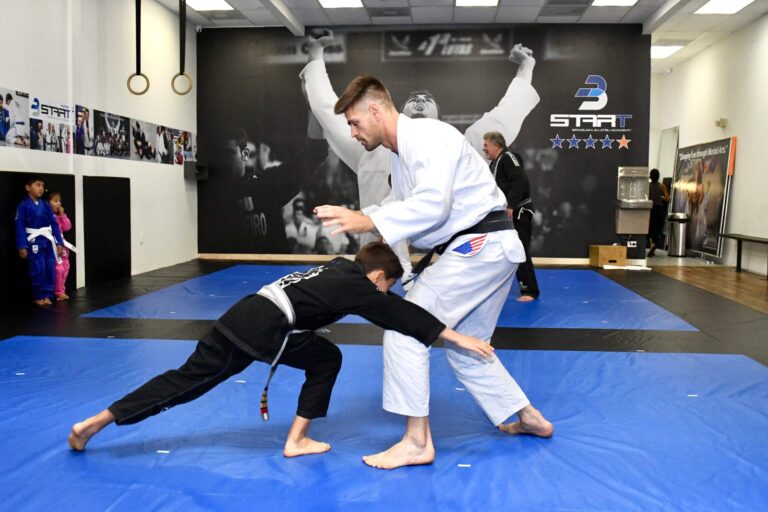
If you train in Pembroke Pines, FL, the mats at Start Jiu-jitsu welcome students ready to build a more resilient guard. Visit the academy and keep developing your game alongside our local community.